At 7:12 a.
m. in a small Paris apartment, a young woman folds what looks like a giant, soft envelope at the end of her bed. No puffed-up duvet, no wrestling with a slippery cover. Just a flat, layered bed that suddenly looks like a boutique hotel room. Outside, the street is waking up. Inside, the bed is already done in 20 seconds.
We’re used to the nightly ritual: shaking the duvet, fighting the corners, sweating under it in July and freezing in February. In France, that giant bundle of synthetic fluff has reigned for years. Yet something is shifting quietly in bedrooms from Lille to Marseille.
Interior designers whisper about it. Guesthouses show it off on Instagram. Airbnb hosts swear their reviews improved the day they switched. A simple change on the bed… that could mean the end of the classic duvet by 2026.
The quiet rise of the “layered bed” in French homes
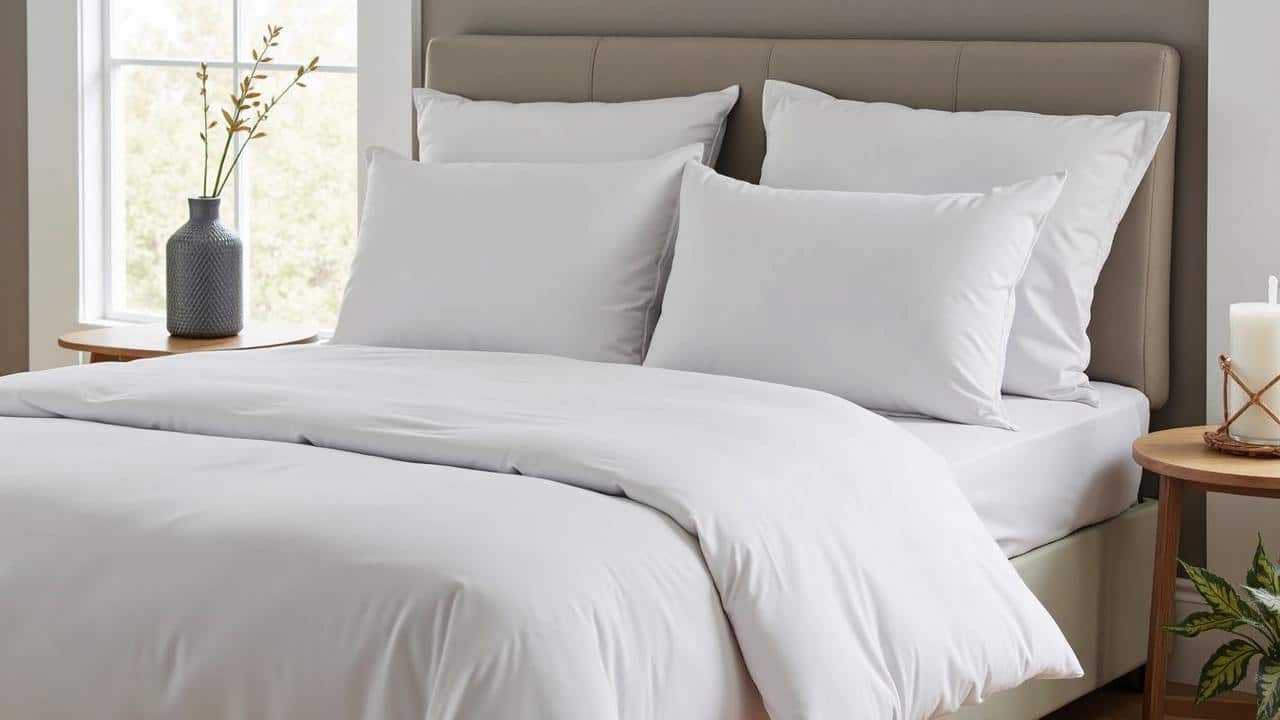
The alternative has a name on every stylist’s moodboard: the layered bed – a mix of flat sheets, light blankets and bedspreads, often topped with a quilt. It looks almost old-school at first glance. Think grandmère’s bed, but reimagined in stonewashed linen and muted colors. No fat duvet ballooning over the edges, just clean lines and textures that invite you in.
French households are rediscovering what many Southern Europeans never really left: sleeping under layers you can add or remove as you like. The trend started in boutique hotels and “maisons d’hôtes” that wanted a more refined, made-to-measure look. Now it’s moving into regular flats, shared student rooms and suburban houses.
One Marseille couple told me they ditched their duvet after a summer heatwave when they simply couldn’t breathe under it anymore. They bought two cotton sheets and a light quilt instead. “We thought it was just for August,” they laughed. “We never went back.” In Lyon, an Airbnb host says guests keep asking where she found her honey-colored coverlet and thin wool blanket, because the bed “feels like a hug, not a marshmallow”.
Numbers echo these stories. Several French homeware brands report rising sales of flat sheets and boutis-style quilts, while duvet sales stagnate. On TikTok and Instagram, the hashtag #layeredbed triggers thousands of French posts: slow videos of hands smoothing a sheet, shaking out a light bedspread, folding a throw at the foot of the bed. No full-blown revolution yet, but a tangible shift in habits.
Why this sudden appeal? Partly because our homes have changed. Smaller apartments, more flexible heating, more sensitivity to allergies, more mixed couples where one is always cold and the other is always hot. A big, one-size-fits-all duvet no longer fits our lives. Layers give control. One thin sheet on a warm spring night, plus a cotton blanket if you wake up chilly at 3 a.m.
There’s also a very French side to this: aesthetics. A layered bed instantly looks more “decorated”. You can play with colors and textures instead of hiding everything under a white cloud. And whisper it… for people who don’t always iron, a slightly crinkled linen sheet looks charming. A crumpled duvet cover, not so much.
How to build a duvet-free bed you’ll actually love
The easiest way to switch? Start simple. Take a fitted sheet, add a top flat sheet, then a medium-weight blanket or thin quilt, and finish with a decorative bedspread you can fold at the end of the bed. That’s it. Four layers, infinite combinations. On hot nights, sleep under the sheet only. In winter, pull up the quilt and bedspread.
➡️ A psychologist is adamant : the best stage of life begins when you start thinking this way
➡️ Your favorite color says a lot about you: what color psychology suggests
➡️ The forgotten kitchen liquid that makes grimy cabinets smooth, clean and shiny with almost no effort
➡️ The forgotten soak that restores cast iron pans to a smooth, black finish
➡️ Goodbye to the dining table : the new trend from abroad that replaces it for good in homes
➡️ Doorbell camera captures conversation about stolen vehicle, leading to felony charge | Select
Choose natural fabrics whenever you can: cotton, linen, sometimes light wool. They breathe, they don’t cling to your skin, and they age well. One practical rule: if you tend to be hot at night, keep the heaviest layer as a removable throw at the bottom, not right on top of you. Your future 3 a.m. self will thank you.
People often get stuck on one thing: “But isn’t it more work in the morning?” In reality, making a layered bed is almost like setting a table. You smooth the sheet, pull the blanket up, fold the bedspread, plump the pillows. Two minutes, no wrestling. And if you’re living with someone who moves a lot at night, give each person their own lighter quilt on their side. Same bed, tailored comfort.
Here’s the part most brands don’t say out loud: a duvet lets us be lazy. You can hide a slightly messy fitted sheet under a thick comforter. With a layered bed, you actually see every element. That pushes you – gently – toward fresher sheets and a tidier base. Still, *no one* is changing everything as often as the laundry labels suggest. Soyons honnêtes : personne ne fait vraiment ça tous les jours.
So start where you are. Keep your favorite duvet for heavy winter nights, and experiment with layers in spring and autumn first. Notice how you sleep, how quickly your room cools down, when you wake up hot or cold. Your bed can become a kind of barometer of your life: on stressful weeks, you might crave an extra blanket; on lighter days, just a sheet feels enough.
One Parisian architect I spoke to summed it up very simply:
“The duvet is convenient, but layers are intelligent. They adapt to your body, your mood and your season, without you needing to change your entire bedding every three months.”
If you feel a bit lost between sheets, quilts and bedspreads, here’s a quick cheat sheet to pin on your phone:
- Flat sheet: goes on top of you, protects blankets from sweat and makes washing easier.
- Blanket or quilt: gives the real warmth, choose thickness based on your home’s insulation.
- Bedspread or coverlet: mostly visual, adds a light extra layer and a finished, hotel-like look.
- Throw at the foot: emergency warmth, plus texture and color for photos or guests.
- Mix of textures: one smooth, one slightly rough, one soft – that’s the recipe for a “wow” bed.
What this shift says about the way we live now
When you look closer, this is about more than fabric. The fall of the duvet in French homes mirrors a deeper desire for modular comfort. Work is more flexible, heating costs fluctuate, couples move in and out of flats more often. A bed that can be adjusted in five seconds becomes a tiny island of control in a chaotic daily life.
The emotional side is there too. On a layered bed, you actually feel the weight of the blanket on your body. Many people describe it as reassuring, almost like a gentle hand holding you down when your thoughts spin. Weighted blankets exploded for exactly this reason. A classic duvet, very light and puffy, doesn’t always give that grounded sensation. A cotton quilt does.
We’ve all had that moment when you wake up sweaty at 4 a.m., leg out of the duvet, one arm cold, brain annoyed. With layers, you don’t have to go all or nothing. Just fold back the top bedspread, or slide the blanket down to your waist, without losing the comforting softness of the sheet. That small freedom can change how rested you feel in the morning.
There’s also the matter of space. French bedrooms are often small. A massive duvet, when folded, eats up half the bed. A layered set folds much flatter, leaving room for pillows, a book, sometimes even breakfast. For renters and small-space lovers, that detail matters. A calmer, less bulky bed makes the whole room feel bigger.
Will duvets vanish entirely by 2026? Probably not. They’ll stick around for cold regions, mountain chalets, people who love that soft cocoon. Yet the monopoly is cracking. The new normal could be something more nuanced: mixed beds, hybrid seasons, wardrobes of textiles we rotate like clothes. Not one blanket to rule them all, but a small family of pieces that work together.
In a few years, we might look back and wonder why we kept one giant, often synthetic block on our beds all year long. The layered alternative looks nicer, breathes better, and follows our real lives more closely. It asks a little more intention from us. In return, it gives something intimate and rare: nights that truly fit who we are, instead of the other way round.
| Point clé | Détail | Intérêt pour le lecteur |
|---|---|---|
| Layered bed concept | Flat sheet + quilt/blanket + bedspread or throw | Offers a clear recipe to copy at home tonight |
| Seasonal flexibility | Remove or add layers instead of changing duvet weights | Better sleep comfort across hot summers and cold winters |
| Aesthetic upgrade | Mix colors and textures for a boutique-hotel look | Makes the bedroom feel more chic, without major renovation |
FAQ :
- Is sleeping without a duvet really warmer in winter?With the right combination – cotton sheet, mid-weight wool or synthetic blanket, plus a quilt – most people stay as warm or warmer than with a standard duvet, because the layers trap air more efficiently.
- Does a layered bed mean more laundry?You’ll wash the flat sheet more often, but blankets and bedspreads less often than a duvet cover, which many people neglect to change regularly anyway.
- What if my partner and I don’t have the same temperature needs?Give each person their own quilt or blanket on their side of the bed, with a shared top bedspread for the visual effect; that way, each can adjust without disturbing the other.
- Is this more expensive than buying a single duvet?Starting from scratch can cost a bit more, yet you can build your set slowly, and the pieces tend to last longer and adapt to several seasons, which spreads the cost over time.
- Can I keep my duvet and still try the layered look?Yes: use your duvet in winter as one of the middle layers, then in spring and autumn switch it for a lighter quilt while keeping your sheets and bedspread the same.