More households have started reusing coffee grounds in surprising ways, and the trend has now reached the bathroom. What once went straight into the bin is turning into a cheap, practical helper that some people swear by for their pipes and toilets.
Why coffee grounds are suddenly landing in the toilet
For years, coffee lovers tipped used grounds into the rubbish without a second thought. Now, social media clips and household forums push a different idea: save a spoonful for your toilet. The idea sounds strange at first, yet the logic behind it speaks to several modern concerns.
People want to cut chemical cleaners, reduce waste and spend less on everyday products. Coffee grounds tick all three boxes. They come for free with every brew, they smell pleasant, and they bring a rough texture that can support cleaning tasks in and around the toilet.
Instead of paying for another bottle of scented cleaner, many people simply reach for yesterday’s coffee grounds.
That does not mean coffee grounds are some miracle cure for plumbing problems. But when used in the right way, they can support regular toilet cleaning and help keep bad smells under control.
What one spoon of coffee grounds can actually do
Odour control for the toilet bowl
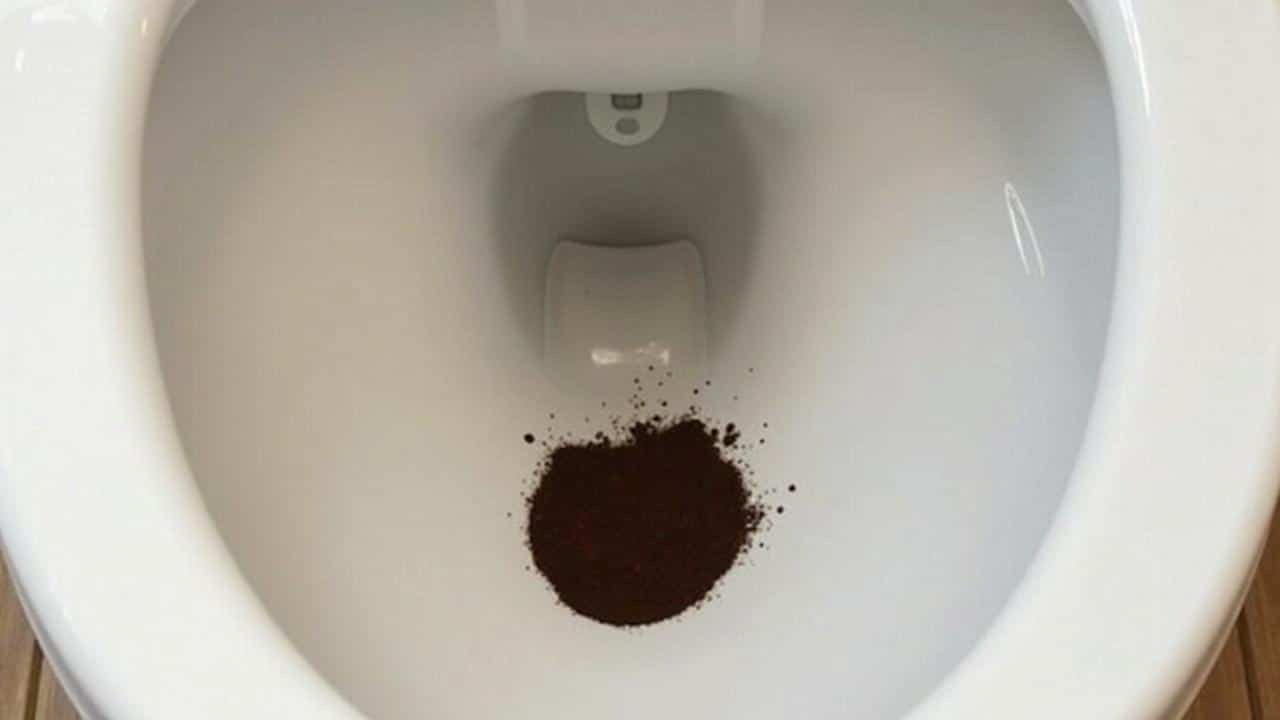
The most common reason people turn to coffee grounds in the toilet is odour control. Dry grounds carry a strong coffee scent, and that aroma can mask unpleasant smells for a limited time. When sprinkled into the bowl and flushed shortly after, they act like a quick, temporary deodoriser.
A spoonful of grounds does not “fix” the cause of bad smells, but it can soften them until you clean properly.
The effect works best when the grounds are only slightly damp or fully dried. Very wet grounds tend to clump, which may not spread as well in the water and can cause more residue.
Mild scrubbing effect on stains
Used coffee grounds feel gritty. That grainy texture gives them a gentle abrasive effect. Some people spread a small spoonful inside the toilet bowl, let it sit for a few minutes and then brush. The particles help loosen light deposits and rings above the waterline.
The method works better for fresh stains than for hardened limescale. Coffee cannot replace descalers, especially in areas with very hard water. Still, for day‑to‑day maintenance between deeper cleans, the grounds can support the brush work.
➡️ The exact moment in the day when your brain solves problems the fastest
➡️ China’s CR450 does (almost) better than the French TGV and writes its name in train history
➡️ This carpenter’s secret restores color to dull wood in seconds
➡️ This camper’s secret keeps food cool all day without a cooler
➡️ What your walking speed reveals about your long-term health
Helping with pipe odours, not with blockages
Many viral posts claim that coffee grounds can “clean pipes” or “clear clogs”. That part deserves a careful look. Grounds mixed with hot water and a small amount of mild soap can help rinse away slimy residues near the drain and freshen the smell. The aroma drifting up from the pipes may feel more pleasant for a short period.
But coffee grounds do not magically dissolve hair, toilet paper lumps or hardened deposits in the plumbing. In fact, plumbers warn that large amounts of grounds can slowly settle and contribute to build-up, especially in narrow or older pipes where fat and soap scum already cling to the walls.
Small, occasional amounts for odour control are one thing; tipping your daily filter into the toilet is a different story.
How to use coffee grounds safely in the toilet
Used with a bit of common sense, coffee grounds can play a modest, useful role in bathroom care. The key is moderation and the right method.
- Use no more than one small spoon at a time.
- Let the grounds dry slightly so they do not form a solid clump.
- Sprinkle them in the bowl, wait a short moment, then scrub and flush thoroughly.
- Do not rely on grounds for serious cleaning or descaling tasks.
- Avoid daily use in homes with old or sensitive plumbing.
This way, you gain the mild deodorising and scrubbing benefits while lowering the risk of residue in the pipes. If you live in a block of flats, where several apartments share the same drainage system, moderation matters even more.
What plumbers and experts say about the trend
Plumbing professionals often feel torn about the coffee habit. On one hand, small amounts usually pass through a modern, well-designed system without drama. On the other, they see what happens when people treat drains and toilets as general waste chutes.
Fats, oils, food scraps and coffee grounds can team up to form stubborn deposits. Over years, that mixture narrows pipes and can lead to expensive call-outs. Many trade organisations therefore recommend that coffee grounds should ideally go to organic waste bins or compost rather than down the toilet or sink.
Some water utilities warn that organic particles may not fully break down during wastewater treatment. Large volumes from many households can add to the burden on treatment plants, especially when combined with wipes and other non‑dissolving items.
| Use of coffee grounds | Recommended? | Reason |
|---|---|---|
| Small spoon in toilet, occasionally | With caution | Short‑term odour help, low risk if pipes are in good condition |
| Daily disposal in toilet or sink | No | Higher risk of deposits in pipes and drains |
| In garden compost | Yes | Adds nitrogen, structure and moisture to compost heaps |
| In organic waste bin | Yes | Simple, safe disposal route supported by most local systems |
Other smart ways to reuse coffee grounds
The boom of the toilet trick sits within a bigger movement: people want to give everyday leftovers a second life. Coffee grounds offer several options beyond the bathroom, many of them safer for pipes and still helpful around the home.
In the kitchen and around the home
Dry grounds can act as a deodoriser in small spaces. A bowl in the fridge helps absorb food smells. The same trick works in shoe cupboards or near pet areas. In the bin, a handful of grounds wrapped in a paper towel can soften odours from food waste for a while.
Some households use old grounds as a mild scrub for stubborn residues on metal pans, as long as the surface is not delicate. The grains help lift stuck food when combined with dish soap and hot water.
In the garden
Gardeners often spread used grounds thinly around acid‑loving plants, such as blueberries or hydrangeas. The grounds add organic material and small amounts of nutrients. Mixed into compost, they assist with moisture balance and attract worms, which help break down the pile.
Large, thick layers should be avoided, since they can form a crust that sheds water rather than letting it through. As with the toilet trick, the rule is moderation.
When the toilet trick makes sense – and when to skip it
If you drink coffee daily, you already produce more grounds than your toilet ever needs. The spoon‑in‑the‑bowl method works best as an occasional support tool, perhaps before guests arrive or when you need a quick refresh and have no scented cleaner at hand.
Households with sensitive plumbing, septic tanks or frequent blockages should think twice before sending any extra solids into the system. In those cases, composting or using the organic waste bin gives you the benefits of reusing coffee without gambling on your pipes.
Extra tips for a fresher toilet without heavy chemicals
Coffee grounds sit alongside a wider set of low‑cost habits that can keep a toilet in good shape. Regular brushing with a simple cleaner prevents hard build‑up. Ventilating the bathroom and keeping the lid closed during flushing can also reduce lingering smells.
Simple ingredients such as baking soda and citric acid can help with limescale and stains. Compared with coffee, they dissolve completely in water and pose less risk to pipes. Some households combine these products: they use baking soda and acid for deep cleans, while saving coffee grounds for surface odour control and light scrubbing.
Anyone tempted by the coffee trend can treat it as a small experiment: start with a single spoon, watch how well the flush copes, and pay attention to how often you rely on it. That way, you benefit from the clever side of this household hack without adding a hidden problem to your plumbing over the years.