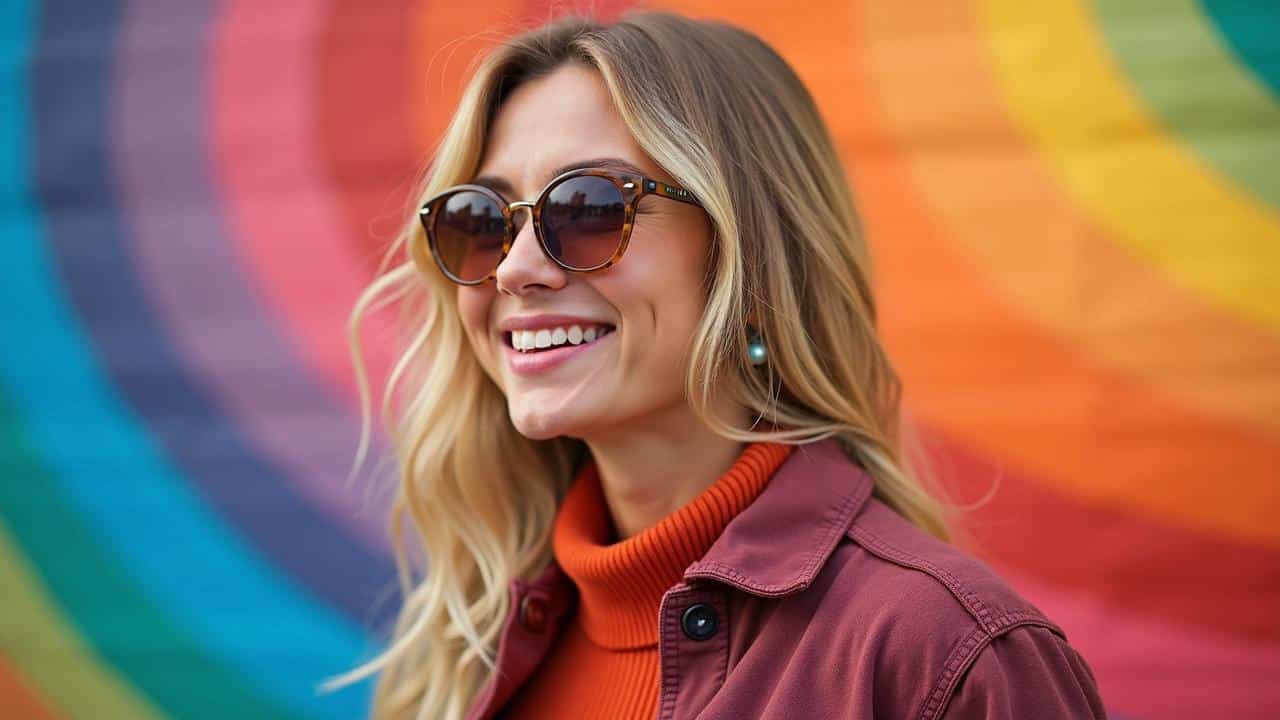
Color is the background noise of our lives.
The question always sounds innocent: “What’s your favorite color?”
You answer automatically — blue, red, black, whatever — and move on. Yet once you start looking around, you notice that same shade everywhere. In your clothes. On your phone case. In the images you save, the rooms where you feel safe, the brands you trust without really knowing why.
It tap-taps at the edge of our perception, nudging us to feel a bit calmer here, a bit more alert there. A soft beige café feels different from a neon-lit bar, even with the same people and the same music. You don’t “decide” to feel that difference. Your brain just reacts.
So what if your favorite color isn’t random at all?
What if it’s quietly telling on you?
What your favorite color quietly reveals about you
Ask a room full of people their favorite color and you’ll rarely get total chaos. Blue dominates in country after country, then come red, green, black. That pattern already says a lot. Blue feels safe, familiar, like a worn-in sweatshirt. Red is energy and risk. Green is balance, nature, a kind of exhale. Black carries mystery and control.
Psychologists call this “color preference” and they’ve been poking at it for decades. They’ve found links between certain shades and traits like introversion, patience, impulsivity. Nothing is absolute. Nobody becomes a “red person” the way you become left-handed. Still, those tendencies show up so often that color has become a quiet tool in branding, therapy and even hiring.
The twist: you often choose your favorite color *before* you have words for who you are. As a child, you just grab the same crayon again and again. Later, your personality fills in around it. That’s what makes it so revealing.
Take blue, the global superstar of favorite colors. In one YouGov survey across multiple countries, around a third of people picked it as their top choice. Blue lovers often describe themselves as loyal, calm, “the reliable one”. Many of them hate unnecessary conflict, prefer depth over drama and like having a small but solid circle of people they trust.
Now picture someone who swears by red. Their wardrobe has that one red jacket. Their kitchen tools, their headphones, their water bottle — something is always blazing. They’ll often talk faster, decide quicker, jump into projects without overthinking. Not always extroverts, but rarely neutral. Life, to them, is something you lean toward, not away from.
Green fans tend to orbit somewhere else entirely. They crave spaces that feel balanced: plants on the windowsill, soft light, a bit of order even in chaos. Many are drawn to caring professions or creative hobbies that require patience. They might not chase the spotlight, yet they’re the friend others call when everything feels like too much. Their color is the pause between two loud notes.
So what’s actually going on in the brain when you say “I love yellow” or “I only wear black”? Research suggests your color preference sits at the crossroads of biology, culture and memory. Some wavelengths are simply easier for human eyes to process, which partly explains blue’s universal appeal. Our ancestors also evolved under a blue sky and near blue water, both signals of safety.
➡️ A psychologist is adamant : the best stage of life begins when you start thinking this way
➡️ The forgotten soak that restores cast iron pans to a smooth, black finish
➡️ Goodbye to the dining table : the new trend from abroad that replaces it for good in homes
➡️ Legendary rock band retires after 50 years “the hit everyone knows”
➡️ Young Atlantic salmon seen in three English rivers for first time in a decade | Fish
➡️ The forgotten kitchen liquid that makes grimy cabinets smooth, clean and shiny with almost no effort
Cultural stories then layer on top: red for luck in China, white for mourning in some countries, black for elegance in fashion. By the time you’re a teenager, you’ve absorbed thousands of color rules without realizing. Your favorite color has been shaped by all of that — school uniforms, festival decorations, the logo on your first beloved gadget.
Then come your personal memories. The color of your childhood bedroom. The hoodie you wore during your first heartbreak. The nail polish you had on when you finally got that job. Those fragments stick to colors like little invisible post-its. So when you say you love purple, you’re rarely just talking about light waves. You’re talking about every version of you that felt right in that color.
How to use color psychology in your daily life (without going overboard)
If your favorite color is a kind of emotional mirror, you can start using it on purpose instead of by accident. Start with your closest environment: your phone, your desk, your bed. These are the places your brain visits every day. Tiny color tweaks there can shift the overall “weather” of your mood far more than a dramatic one-off makeover.
Pick one space you use a lot — that corner where you work, your bathroom shelf, the chair where you collapse at night. Add one strong item in your favorite color: a throw, a notebook, a mug. Then add one item in its “support color”: soft gray for red, cream or sand for blue, warm wood for green. Suddenly the space feels like it “fits” you. Not Pinterest-perfect. Just quietly right.
Then turn to your clothing. You don’t need a full monochrome wardrobe. Choose one signature piece in your favorite color that you can wear weekly: a scarf, sneakers, a bag. Let it act as a sort of visual anchor on days that feel messy.
Most people use colors on autopilot. They dress in what’s clean. They buy the first phone case on the rack. Then they wonder why their bedroom feels restless, or why they feel drained after a day in an open-plan office painted in a harsh white. Soyons honnêtes : personne ne fait vraiment ça tous les jours, ce travail conscient sur les couleurs. Yet the pattern is always there in the background.
A common trap is copying someone else’s palette because it looks stylish online. A beige, minimalist living room might get millions of likes and still leave you cold if you’re secretly a red-or-nothing person. Another mistake is treating color psychology as a strict rulebook — “introverts must wear blue, extroverts must wear orange.” That kind of thinking just cuts you off from your own sense of play.
On a gentler note, notice how you use black and white. Many people hide behind black when they’re unsure, confusing invisibility with safety. White can look fresh and light, but too much can feel more like absence than peace. Your body usually knows the difference long before your brain catches up.
“Color is a power which directly influences the soul,” wrote painter Wassily Kandinsky.
That may sound dramatic, yet you’ve felt it a thousand times — in a hospital corridor that made you tense, in a sunset that untied a knot in your chest, in the exact navy hoodie that makes you feel like yourself.
To make this practical, keep a tiny “color diary” for a week. Nothing fancy. Just a quick nightly note on three things:
- Which colors you wore or saw a lot that day
- Moments when you suddenly felt at ease, or on edge
- Any object you caught yourself staring at longer than usual
After a few days, patterns start emerging. You might notice you think more clearly in cool, muted tones, or feel more social in warmer ones. You might realize that, yes, your favorite color shows up every time you feel most like yourself — during late-night work sessions, long walks, or quiet Sunday mornings at home.
Letting your colors tell a deeper story
Once you start noticing, color becomes less of a background feature and more of a conversation with yourself. You begin to see how that purple sweater is not just “nice”, it’s a tiny rebellion in a workplace full of navy suits. Your green plants are not just decoration, they’re proof that some part of you aches for forests and fresh air. Your red lipstick or red sneakers are not just style — they’re courage you can see.
Some people even use color as a language when they can’t quite find the words. A therapist might ask a client to pick a color for their current mood and another for the way they’d like to feel. An anxious teen might cover their wall in cool blues and grays, trying to soften the static in their chest. A grieving person might reach for softer, dusty tones, as if anything too bright would hurt their eyes.
You can play that same game privately. On days when you don’t know what you feel, open your wardrobe and just notice which shade your hand drifts toward first. Let that choice speak before you do. On better days, deliberately put on your favorite color even if you’re only staying home. It’s like sending yourself a quiet signal: “You’re allowed to take up this much space today.”
There’s no neat formula for the “right” palette for your personality. The magic is that it keeps changing as you do. The colors you adored at 15 might feel wrong at 35. What stayed? What vanished? That timeline alone already tells a whole story about who you’ve been and who you’re becoming.
| Point clé | Détail | Intérêt pour le lecteur |
|---|---|---|
| Your favorite color reflects deeper traits | Preferences for blue, red, green, black and others often line up with patterns in personality, values and needs. | Helps you read your own choices as clues, not accidents. |
| Context shapes color meaning | Biology, culture and personal memories all influence how you react to each shade. | Lets you understand why one color feels safe to you and stressful to someone else. |
| You can use color strategically | Small, intentional changes in clothes and spaces can support focus, calm or confidence. | Gives you simple, concrete actions to improve everyday well‑being. |
FAQ :
- Does my favorite color really say something about my personality?Not in a rigid, fortune-teller way, but yes, it often echoes your deeper needs: safety, stimulation, control, freedom, calm or attention.
- Can my favorite color change over time?Absolutely. Shifts in life stage, culture, relationships and even health can pull you toward new palettes that match who you’re becoming.
- Is it bad if I only wear black?Not necessarily. For some it means elegance and focus; for others it’s a shield. The key is whether you feel more yourself in black, or more hidden.
- How can I experiment without repainting my whole home?Start with small items: cushions, throws, candles, phone wallpapers, clothes. Let your eyes and mood react before committing to big changes.
- Are color tests online reliable?They can be fun starting points, not final verdicts. Use them as prompts to notice your own reactions, not as labels you have to wear.